
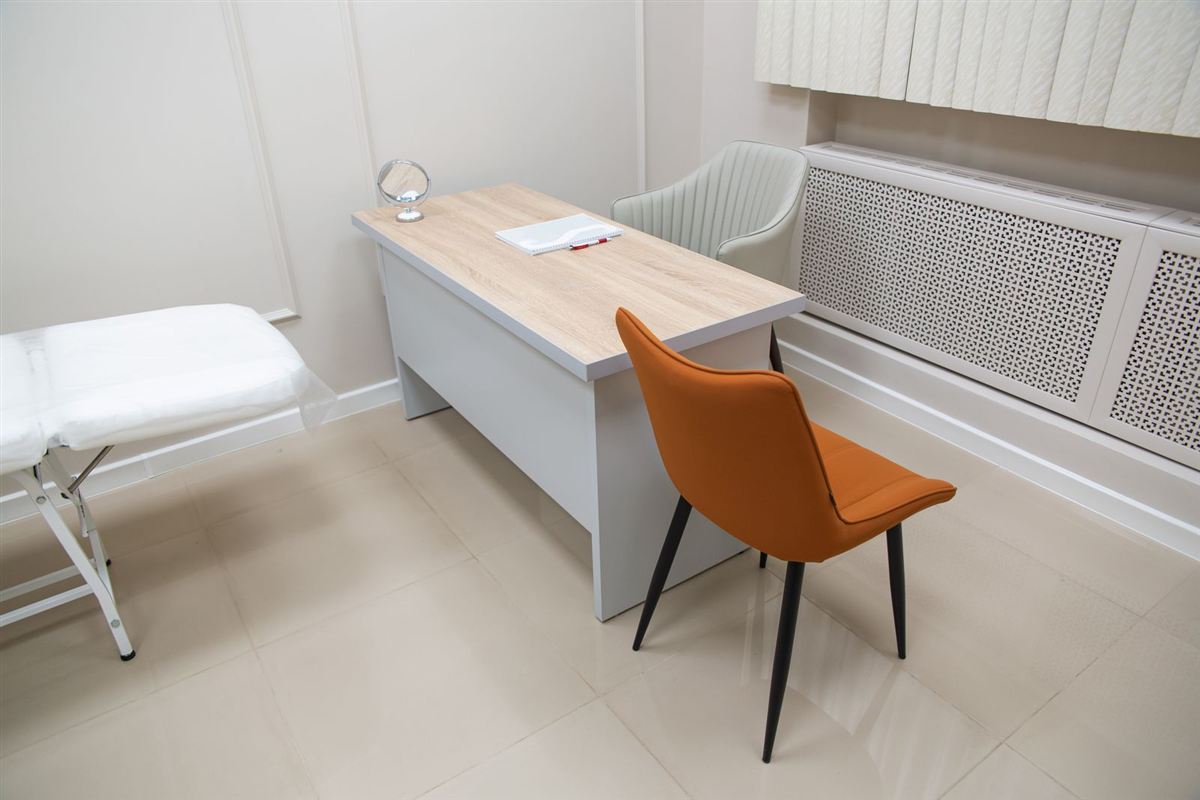
A physical therapy clinic is part medical office and part gym. Patients lie on treatment tables, grip parallel bars, and sweat on shared equipment all day, and many are recovering from surgery or an injury. Cleaning a PT, rehab, or sports medicine clinic therefore combines medical office cleaning in Charlotte, NC with the routines of a gym. This guide covers who cleans what and gives you a checklist by area to hand to any cleaning company.
Why PT and Rehab Clinics Need Their Own Plan
A standard office checklist misses what makes a therapy clinic hard to keep clean.
- Shared equipment. Bands, weights, balls, foam rollers, and bike handles pass from patient to patient all day.
- Bare skin. Patients lie on tables and mats with bare arms, legs, and faces. CDC guidance on preventing MRSA in athletic facilities says to focus on surfaces that come into direct contact with bare skin each day.
- Sweat, gel, and lotion. Sweat builds up on grips and seats, and ultrasound gel and massage lotion leave a film on tables and door handles.
- A gym floor. Rubber flooring and carpet in the exercise area hold grit and sweat.
- Vulnerable patients. Some patients have healing incisions. Others use walkers, canes, or crutches, so a wet or cluttered floor is a real fall risk.
Who Cleans What: Clinic Staff vs. the Cleaning Crew
Missed tasks often come from an unclear line between staff and the cleaning company. CDC's Guide to Infection Prevention for Outpatient Settings, which covers physical therapy and rehabilitation centers, recommends written cleaning procedures that identify who is responsible.
The cleaning crew comes in the evening or on the weekend and resets the whole clinic, using the area checklists below. Your staff handle what has to happen while patients are in the building:
- Clean and disinfect the table, face cradle, and bolsters after each patient, or change the table paper or linens
- Wipe down bands, weights, balls, bar grips, and bike handles after each use
- Clean ultrasound heads, electrode leads, and other modality equipment by the device maker's instructions
- Change pillowcases, towels, and sheets
- Clean up blood or body fluid spills right away, following your exposure control plan. OSHA's bloodborne pathogens standard requires work surfaces to be decontaminated immediately or as soon as feasible after a blood spill.
Waiting Room and Front Desk
- Disinfect the check-in counter, pens, clipboards, card reader, and door handles
- Wipe chair arms and seats, and spot clean fabric
- Clean light switches, entry glass, and check-in tablets, using a product safe for screens
- Wipe the handles of loaner wheelchairs and walkers
- Empty trash and replace liners
- Vacuum entry mats every visit, since red clay tracks in on shoes after rain, then vacuum or mop the floor
Treatment Rooms and Tables
- Clean, then disinfect, every table surface, face cradle, and headpiece, plus side rails and height controls
- Wipe table frames and bases, rolling stools, chairs, and carts
- Remove gel and lotion residue from tables, counters, and bottles
- Clean sinks, counters, dispensers, and hand sanitizer stations
- Check vinyl for tears or cracks and report them
- Empty trash, but leave sharps containers from dry needling and any regulated medical waste to your staff and waste vendor
- Vacuum or mop under and around every table
Exercise Area and Equipment
The crew cleans equipment exteriors. Apply product to a cloth instead of spraying consoles and screens, unless the equipment maker says otherwise. Our gym cleaning checklist covers many of the same tasks.
- Disinfect parallel bars, stair rails, and handles on bikes, treadmills, and steppers
- Wipe seats, backrests, and adjustment knobs
- Clean dumbbells, cuff weights, and the racks and bins that hold bands, balls, and rollers
- Clean mirrors, and the floor under and behind equipment where sweat and dust collect
- Leave machines in place and plugged in unless staff ask otherwise
Mats and Rubber Flooring
- Clean and disinfect mat tables edge to edge, including the sides patients grip
- Clean floor mats on both sides, since the underside picks up floor dirt and touches the next mat in the stack
- Let mats dry fully before stacking, allowing extra time in Charlotte's humid summers
- Vacuum or dust mop rubber flooring, then damp mop with a cleaner the flooring maker approves
- Keep water out of the seams of interlocking rubber flooring
- Measure cleaner by the label, since too much can leave a slick or sticky film
Restrooms and Changing Areas
- Clean and disinfect toilets, sinks, faucets, flush handles, and dispensers
- Disinfect grab bars, which rehab patients lean on heavily
- Wipe changing room benches, hooks, and locker handles
- Clean showers and drains if the clinic has them
- Restock soap, paper towels, and toilet paper
- Leave floors dry, with no puddles near toilets or benches
Staff Areas
- Clean break room counters, tables, sinks, and appliance handles
- Wipe shared keyboards, phones, and charting stations with a product safe for electronics
- Empty trash and recycling, but leave shred bins and patient paperwork untouched
- Vacuum offices and mop hard floors
Weekly Tasks
- Scrub the gym floor with a machine or deck brush, not just a damp mop
- Vacuum carpet edge to edge, including under chairs
- Wipe baseboards, doors, and walls near exercise stations
- Clean interior glass and partitions
- Wash trash cans inside and out
- Vacuum fabric chairs in the waiting room
Monthly and Periodic Tasks
- High dusting of vents, light fixtures, ceiling fans, and the tops of cabinets and tall equipment
- Deep cleaning under heavy equipment that staff can move
- Carpet extraction in the waiting room and hallways, on a schedule matched to traffic
- Floor stripping and waxing for VCT in treatment rooms and hallways, usually quoted separately
Choosing Disinfectants and Protecting Equipment
Use EPA-registered disinfectants with label claims for use in healthcare, as the CDC outpatient guide recommends, and follow the maker's directions for dilution and contact time. The EPA registration number is printed on the label.
The CDC guide also says cleaning must always come before disinfection. After cleaning, keep the surface wet for the full contact time on the label, because EPA notes it should stay wet the whole time for the product to be effective. Our guide to cleaning vs. sanitizing vs. disinfecting explains how the three steps differ.
Check compatibility before you switch products. CDC's MRSA guidance for athletic facilities notes that some cleaners and disinfectants can damage some surfaces, and it says to repair or dispose of equipment with damaged surfaces that do not allow for adequate cleaning. Some disinfectants can dry out or crack vinyl with repeated use, so ask your table maker which products it approves, follow each equipment maker's cleaning instructions, and re-cover torn tables. For whole-clinic disinfection, see our disinfection services.
Scheduling Cleaning Around Patient Hours
The cleaning window is usually the evening after the last patient leaves, or the weekend. Blue Oak Solutions builds each cleaning plan around the clinic's schedule, with evening and weekend service. A few rules help:
- Start once the last patient has left the treatment areas
- Book wet work, such as floor scrubbing and carpet extraction, for a Friday evening or the weekend, so floors are dry before the first patient
- Agree on access, alarm codes, and which rooms stay locked
- Name one staff contact for notes, supplies, and repair reports
A Written Checklist for Your Cleaning Company
Our guide to medical office cleaning standards covers the clinical basics. For a therapy clinic, put these points in writing before service starts, so you can inspect the work and compare quotes on equal terms.
- Every area, with its tasks and how often each happens
- The split between staff and crew tasks, including who wipes which equipment
- The disinfectants to be used, with EPA registration numbers, contact times, and safety data sheets
- Products your table, equipment, or flooring makers prohibit
- Equipment the crew should not touch, such as modality units and hot pack heaters
- Rules for sharps containers, medical waste, linens, and patient paperwork
- Separate cloths and mop heads for restrooms and treatment areas
- Service days, access, and one contact on each side
- How the crew records completed work and how you report a missed task
Request a Free Clinic Cleaning Quote
Blue Oak Solutions is a family-owned, locally operated company that has served North Carolina businesses for more than 10 years. We are licensed, insured, and bonded, and our trained, uniformed, background-checked employees provide evening and weekend clinic cleaning in Charlotte and surrounding cities with EPA-registered disinfectants. Request a free quote or call 980-307-4988, and we will walk your clinic and put the cleaning plan and estimate in writing.
Frequently Asked Questions
How often should a physical therapy clinic be professionally cleaned?
A clinic that sees patients every weekday usually needs a cleaning visit after each clinic day, with weekly floor scrubbing in the gym area. A smaller clinic may do well with three visits a week, as long as staff disinfect tables and equipment between patients.
Who should disinfect treatment tables between patients?
Clinic staff, after each patient, while the clinic is open. The cleaning crew then cleans and disinfects every table, frame, and floor in the evening or on the weekend, when each surface can stay wet for the full contact time.
What disinfectant is safe for vinyl treatment tables?
Use an EPA-registered disinfectant that your table or upholstery maker approves, and keep it wet for the full contact time on the label. Some products can dry out or crack vinyl with repeated use, and torn vinyl cannot be cleaned properly, so repair or re-cover it.