
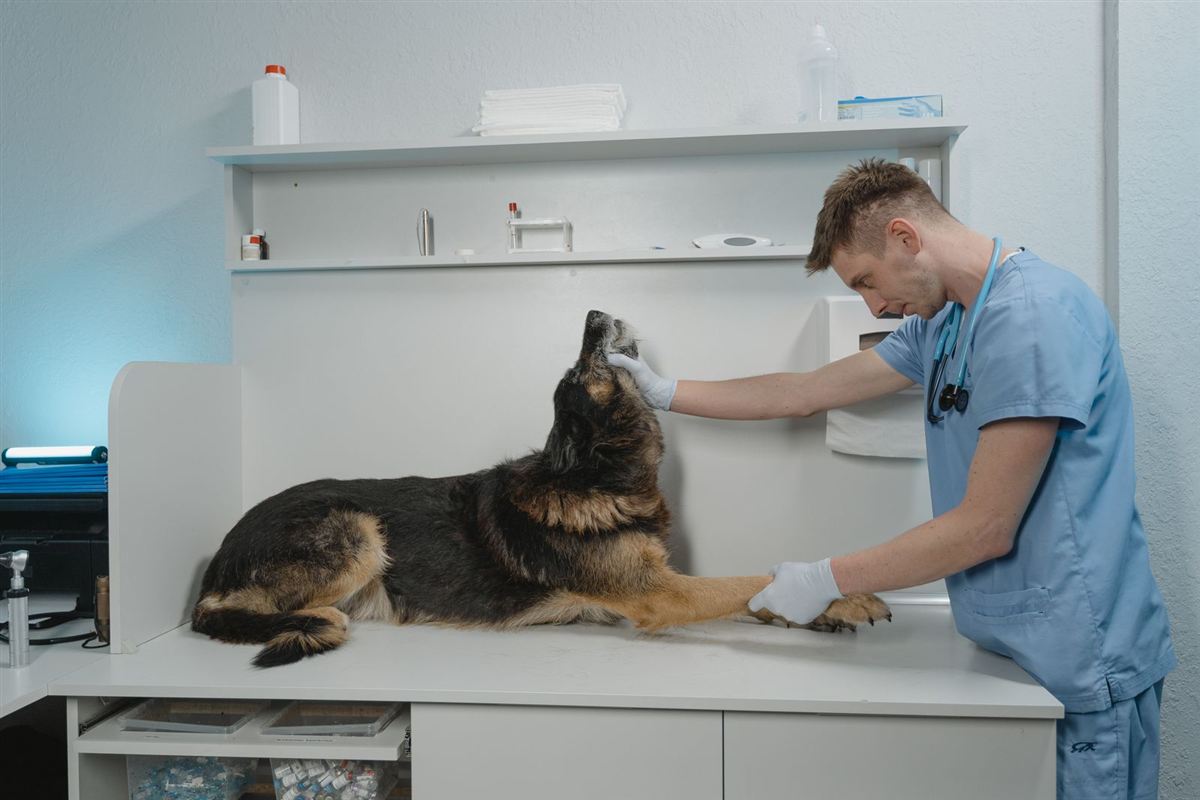
A veterinary clinic is judged at the front door. Pet owners notice odor, hair, and smudged glass before they meet the doctor. This veterinary clinic cleaning checklist covers each area of the building, plus odor control, product rules, and a clear split between your clinical team and your cleaning crew. Adapt it to your floor plan, or see how we handle animal hospital cleaning in Charlotte, NC.
Why a Veterinary Clinic Is Different
A vet clinic collects hair, urine, vomit, and blood, plus whatever came in on a muddy dog. Four things change the job:
- Odor is the first impression. Clients smell the lobby before they see it, and a faint urine smell undoes a spotless counter.
- Hair never stops. Shed hair and dander collect in corners, under benches, along the wall base, and in vents.
- Accidents happen. Nervous animals have accidents in the lobby, on the scale, and in exam rooms. Staff handle them by day, and the evening cleaning finishes the job.
- Some diseases travel on surfaces. The Merck Veterinary Manual notes that canine parvovirus can spread on contaminated surfaces, equipment, and people, resists many common detergents and disinfectants, and can survive indoors at room temperature for at least two months.
Reception and Lobby Checklist
Each area checklist below belongs on every cleaning visit after the last appointment.
- Vacuum entry mats, since Charlotte's red clay comes in on paws after rain
- Vacuum or dust mop hair, then damp mop the full floor, including under benches
- Disinfect the scale platform, front counter, pens, payment terminals, and door push plates
- Wipe seating, including chair legs where dogs mark
- Clean entry glass and low windows, where nose prints collect
- Empty trash and any pet waste bins outside the entrance
Exam Room Checklist
- Disinfect exam table tops, counters, and sinks with the product your clinic approves
- Wipe cabinet fronts, drawer pulls, door handles, light switches, and client chairs
- Spot clean lower walls and the wall base, where splashes land
- Empty regular trash and refill soap and paper towels
- Mop from the far corner toward the door with a fresh mop head
Treatment and Prep Areas: Surfaces Only
Your clinical team works hardest here, so keep the crew's job narrow and written down. Staff clear their work surfaces first, and the crew follows.
- Wipe cleared counters and cabinet fronts
- Clean sinks, faucet handles, and backsplashes
- Wipe lower walls and door frames
- Empty regular trash only
- Mop the floor, including under carts and around wet tables and floor drains
- Leave equipment, instruments, drug storage, and anything marked with a biohazard symbol alone
Kennel and Boarding Checklist
Kennels with animals inside belong to your staff. The crew cleans empty kennels and the room around them, and it never handles an animal or opens an occupied kennel.
- Clean and disinfect empty kennels and runs, including walls, doors, gates, and floors
- Scrub corners, door tracks, and the joint between floor and wall, where hair and urine collect
- Wipe kennel bank exteriors, latches, and handles
- Clear hair from drain covers and flush floor drains
- Clean isolation wards last, with separate supplies, following your isolation protocol exactly
Restroom and Staff Area Checklist
Client restrooms get judged as harshly as the lobby. Our guide to commercial restroom sanitation standards covers the full routine.
- Clean and disinfect toilets, sinks, counters, and fixtures
- Clean mirrors and restock soap, paper towels, and toilet paper
- Mop restroom floors, including behind toilets
- Wipe break room counters, tables, the sink, the microwave, and appliance handles
- Empty trash and recycling, and vacuum or mop offices and hallways
Weekly Veterinary Cleaning Tasks
- Machine scrub or deep mop hard floors in the lobby, exam rooms, and halls
- Wash lower walls, doors, and kick plates
- Clean baseboards and corners where hair builds up
- Clean interior glass and partitions
- Wash trash cans inside and out
- Clean out the break room refrigerator, with notice to staff
Monthly and Periodic Tasks
- Dust vents, return grilles, light fixtures, and the tops of cabinets and kennel banks, where hair and dander settle
- Pull out movable furniture and carts and clean behind them
- Schedule floor stripping, waxing, and burnishing for finished vinyl floors based on traffic
- Add a deeper disinfection service on top of routine cleaning if your team wants one
- Confirm who owns HVAC filter changes, since hair ends up there too
How to Control Odor in a Vet Clinic
Clean should smell like nothing. Fragrance only covers odor, so go after the sources:
- Urine. Urine that soaks into seams, the wall base, or porous surfaces keeps smelling after the surface looks clean. Treat it with a pet urine product your team approves.
- Floor drains. Pour water into little-used drains. A dry drain trap lets sewer odor into the room.
- Trash. Take it out on every visit, including from exam rooms.
- Mops and cloths. A sour mop spreads odor, so use fresh mop heads and cloths for each area and launder them after every visit.
- Laundry. Keep soiled towels and bedding in closed bins until they are washed.
Products and Pet-Safe Use
Pet-safe cleaning depends on how a product is used as much as which one it is. Our guide to cleaning vs. sanitizing vs. disinfecting explains the steps. Have your vets approve the product list, then follow the label:
- Use EPA-registered disinfectants. The registration number is printed on the label.
- Check the label's use sites and surface types, and read its precautionary statements, which cover hazards to domestic animals as well as people.
- Confirm the label covers the pathogens your vets worry about, such as canine parvovirus.
- Pre-clean visibly dirty surfaces, then keep the surface wet for the full contact time in the directions.
- Rinse where the label requires it, and let surfaces dry before animals touch them.
- Never mix chemicals, and store them closed and out of animals' reach.
- Ask for a Safety Data Sheet for every product the crew brings in.
Who Does What: Clinical Team vs. Cleaning Crew
Problems start in the gaps, so write the split down. The crew does facility cleaning: floors, restrooms, the lobby, offices, break areas, glass, regular trash, and the surfaces on your checklist. Your clinical team keeps:
- Instrument care. Cleaning, packing, and sterilizing instruments.
- Surgical suite protocols. Your team decides what gets cleaned between cases, with which products, and who may enter. If the crew cleans surgery floors or walls, it follows the protocol your team writes.
- Regulated medical waste and sharps. North Carolina law defines medical waste to include waste from the diagnosis, treatment, or immunization of animals, and the NC Department of Environmental Quality regulates how it is packaged, stored, transported, treated, and disposed of. Your team packages it and arranges disposal.
- Animals and medications. Animal handling, occupied kennels, drug storage, and lab equipment.
Scheduling Cleaning Around Clinic Hours
Have the crew start after the last appointment and after your team finishes its closing duties, so nobody is mopping around a surgery that ran late.
If you board animals or keep hospitalized patients, tell the crew which wards are occupied and whether staff will be on site. Weekly and monthly tasks fit well on weekends, when the building is closed or quieter.
Give the crew one named contact, key and alarm instructions, and a log sheet for notes such as "kennel 4 occupied, skipped." Blue Oak Solutions works evenings and weekends and builds each cleaning plan around your schedule.
How to Hand a Written Checklist to a Cleaning Company
Send the same list to every company you ask for a quote so the proposals cover the same work. Include:
- A floor plan with rooms named the way your staff names them
- The tasks for each area and how often each one happens
- The approved product list, with contact times and where each product may be used
- A do-not-touch list: sharps containers, biohazard boxes, equipment, drug storage, and occupied kennels
- Rules for isolation and surgery areas, including cleaning order and separate supplies
- How the crew reports problems, such as a log sheet or a message to the practice manager
- A date to review the list together after the first month
Request a Free Veterinary Cleaning Quote
Blue Oak Solutions is family-owned and locally operated and has served North Carolina businesses for more than 10 years. We are licensed, insured, and bonded, and our trained, uniformed, background-checked employees use pet-safe products, careful disinfection, and odor control suited to animal hospitals. Request a free quote or call 980-307-4988, and we will walk your clinic and put the cleaning plan in writing. We serve Charlotte and surrounding cities.
Frequently Asked Questions
How often should a veterinary clinic be professionally cleaned?
Most clinics need a full cleaning after each day they see patients, because the lobby, exam rooms, and restrooms collect hair, accidents, and foot traffic every day. Weekly and monthly tasks, such as floor scrubbing and high dusting, can be scheduled on weekends.
What cleaning products are safe to use in an animal hospital?
Use EPA-registered disinfectants that your veterinarians approve, and follow the label: pre-clean dirty surfaces, keep the surface wet for the full contact time, and rinse where the label requires it. Let surfaces dry before animals touch them, and never mix chemicals.
Should the cleaning crew handle medical waste and sharps?
No. Regulated medical waste and sharps should stay with your clinical team, which packages them and arranges their disposal. The cleaning crew handles regular trash and recycling and should have a written list of containers to leave alone.