
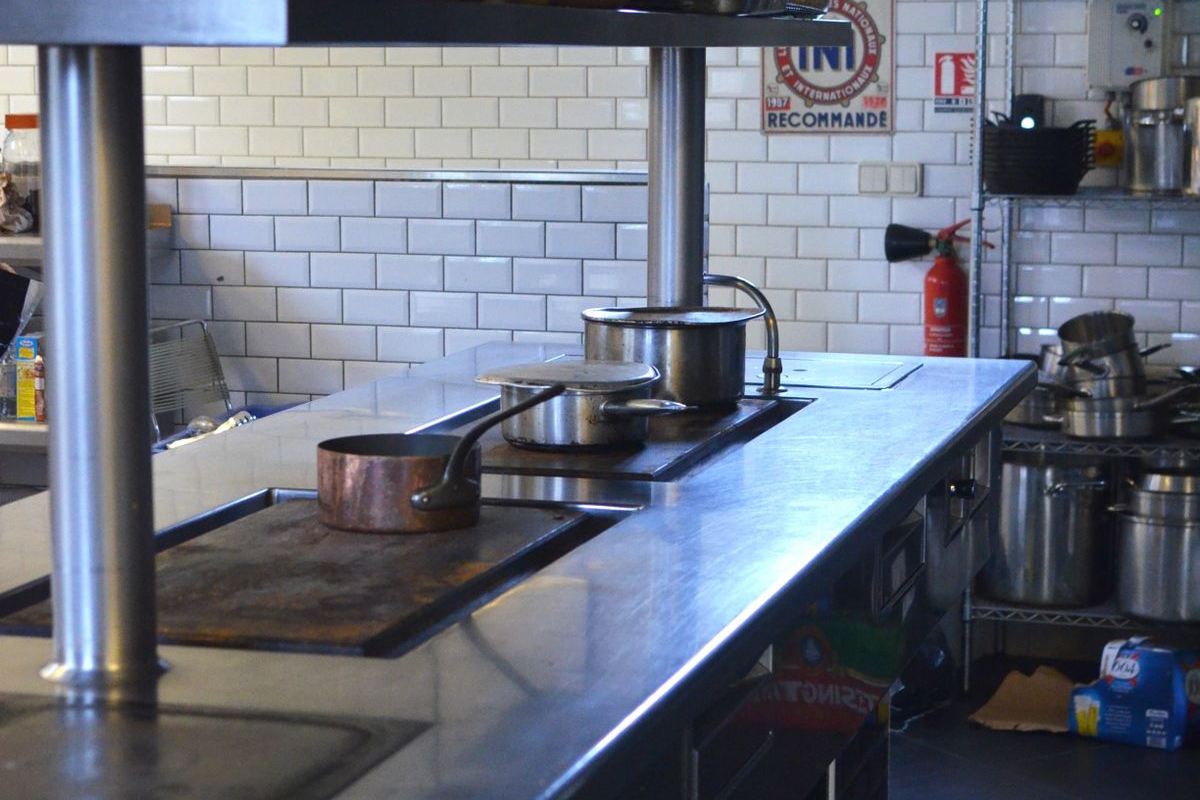
A poor health inspection score can hurt a Charlotte restaurant's reputation fast. This guide walks through the cleaning cadence that Mecklenburg County health inspectors expect, the failure points that catch most operators off guard, and how a professional Charlotte cleaning company can support your kitchen and front-of-house team between inspections.
1. Understand the Mecklenburg Grading System
NC restaurants receive a numeric sanitation score after each inspection. Anything below 90 draws scrutiny and repeat visits. A commercial cleaning partner familiar with the Mecklenburg inspection checklist knows exactly which points are scored — floor cleanliness under prep stations, hood cleanliness, walk-in gasket sanitation, and dining-room high-touch points — and can build a nightly checklist to defend every one.
2. Front-of-House Nightly Cleaning
Dining room floors need degreaser, not just water — restaurant grease travels farther than most owners think. Booth seams, table bases, kids' high chairs, host stand, POS terminal edges — all high-touch, all inspected. A good nightly front-of-house checklist covers each of these points.
3. Kitchen Deep Clean vs Nightly Line Wipe
Nightly staff can wipe down the line, but a professional deep clean of the kitchen — hood system, exhaust fans, fryers, walk-in shelves, floor drains, wall behind the range — needs to happen on a regular schedule, typically quarterly for high-volume kitchens. Grease buildup is a serious fire hazard in commercial kitchens, and it also drives sanitation-score deductions.
4. Hood Cleaning: A Separate Specialty
NFPA 96 requires kitchen exhaust hood cleaning at intervals based on cooking volume: quarterly for high-volume, semi-annually for moderate, annually for low. This work is usually handled by a specialized hood-cleaning contractor, so don't assume your general cleaner covers it. Ask, and get the certificate for your insurance file.
5. Restrooms and Handwashing Compliance
Restaurant restrooms carry outsized weight on health inspections. Every fixture, every touchpoint, soap and towel dispensers stocked, floors mopped with sanitizer — not just mopped. A posted cleaning log that shows when the restroom was last cleaned, and by whom, makes the work easy to verify.
6. Grease Trap and Floor Drain Sanitation
Odor and pest complaints usually trace to floor drains and grease traps. Weekly enzymatic drain treatment is a simple preventive step. It's not glamorous work — which is exactly why so many restaurants let it slide until inspectors notice.
Request a Free Charlotte Commercial Cleaning Quote
Blue Oak Solutions provides commercial cleaning for Charlotte, NC restaurants. Schedule a free walkthrough and we'll prepare a written estimate built around your operation.
Frequently Asked Questions
How often should a Charlotte restaurant have a full kitchen deep clean?
At minimum quarterly for high-volume operations, semi-annually for moderate volume. This is separate from nightly line cleaning done by kitchen staff.
Who should clean restaurant hood systems and exhaust fans?
Kitchen exhaust hood cleaning is a specialty covered by NFPA 96 and is usually handled by a dedicated hood-cleaning contractor who provides a certificate after each service. Keep those certificates on file for your inspector and insurer.
What documentation should I keep for the Mecklenburg County health inspector?
Nightly cleaning logs, quarterly deep-clean invoices, hood cleaning certificates, and pest-control reports. Keeping them together in one binder or shared folder makes them easy to pull up when the inspector asks.