
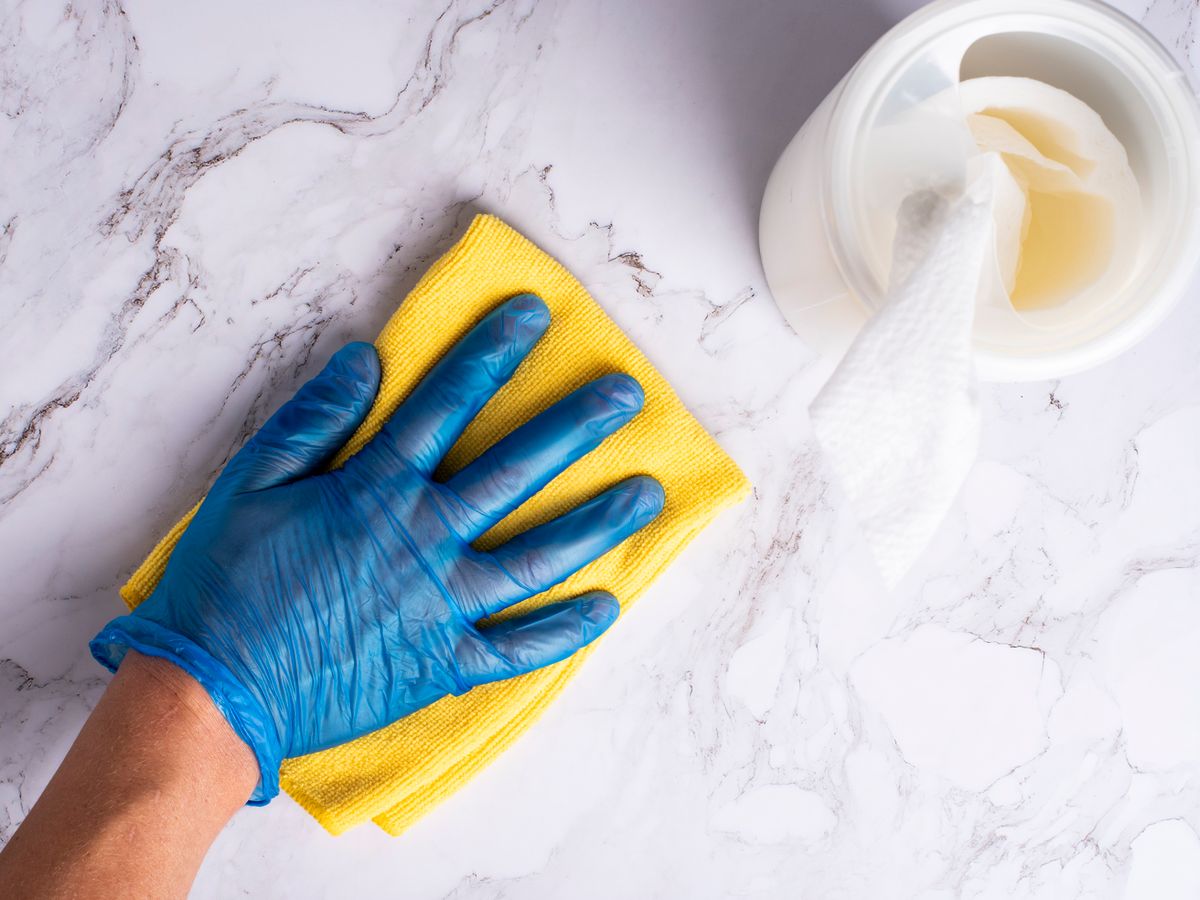
The terms cleaning, sanitizing, and disinfecting get used interchangeably, but they describe three different levels of service with different products and outcomes. Understanding disinfection vs cleaning in Charlotte facilities helps you build a program that protects occupants without paying for a level of service you do not need.
Cleaning: The Essential First Step
Cleaning uses soap or detergent and water to physically remove dirt, dust, grease, and debris from surfaces. It does not necessarily kill germs, but by removing them it lowers their numbers and reduces the risk of spreading infection. Just as important, cleaning prepares a surface for anything that comes next—dirt and organic material can shield germs and neutralize disinfectant chemicals, so disinfecting a dirty surface is largely wasted effort.
Sanitizing: Lowering Germ Levels
Sanitizing reduces bacteria on a surface to levels considered safe by public health standards. It is faster and milder than disinfecting, which makes it the right choice for surfaces that touch food or mouths: break room tables, kitchen counters, and food prep areas. Sanitizing is a middle ground—more than cleaning, less than full disinfection.
Disinfecting: Killing Pathogens
Disinfecting uses EPA-registered chemicals to kill bacteria and viruses on hard surfaces. Two details matter here. First, the surface must be cleaned beforehand. Second, the product needs its full dwell time—the number of minutes it must stay visibly wet on the surface to work as labeled. Wiping a disinfectant off immediately is one of the most common mistakes in facility cleaning, and it is why trained crews follow product labels closely.
Which Level Does Your Facility Need?
The right answer varies by area and by facility type:
- Offices and general areas: routine cleaning, with disinfecting focused on high-touch points
- Restrooms: cleaning plus regular disinfection of fixtures and touch points
- Break rooms and kitchens: cleaning plus sanitizing of food-contact surfaces
- Medical and clinical spaces: cleaning plus thorough disinfection throughout
- Shared equipment, door handles, and elevator buttons: frequent disinfection in any facility
An office building and a medical clinic have very different requirements, so a custom plan usually mixes all three levels rather than applying one everywhere.
Request a Free Quote
Blue Oak Solutions provides professional disinfection services and specialized medical center cleaning in Charlotte, NC, with trained, background-checked crews and eco-friendly product options. Contact us for a free, no-obligation quote—we respond within one business day.
Frequently Asked Questions
What is the difference between cleaning and disinfecting?
Cleaning removes dirt, dust, and debris from surfaces with soap or detergent, which lowers germ counts but does not kill germs. Disinfecting uses EPA-registered chemicals to kill bacteria and viruses on surfaces after cleaning.
Does disinfecting work on a dirty surface?
Not well. Dirt and organic material shield germs and can neutralize disinfectants. Surfaces should be cleaned first, then disinfected with the correct dwell time for the product to work as labeled.
Which areas of a Charlotte facility should be disinfected regularly?
Focus on high-touch points such as door handles, light switches, elevator buttons, shared equipment, restroom fixtures, and break room surfaces. Restrooms and food prep areas also benefit from routine disinfection.